
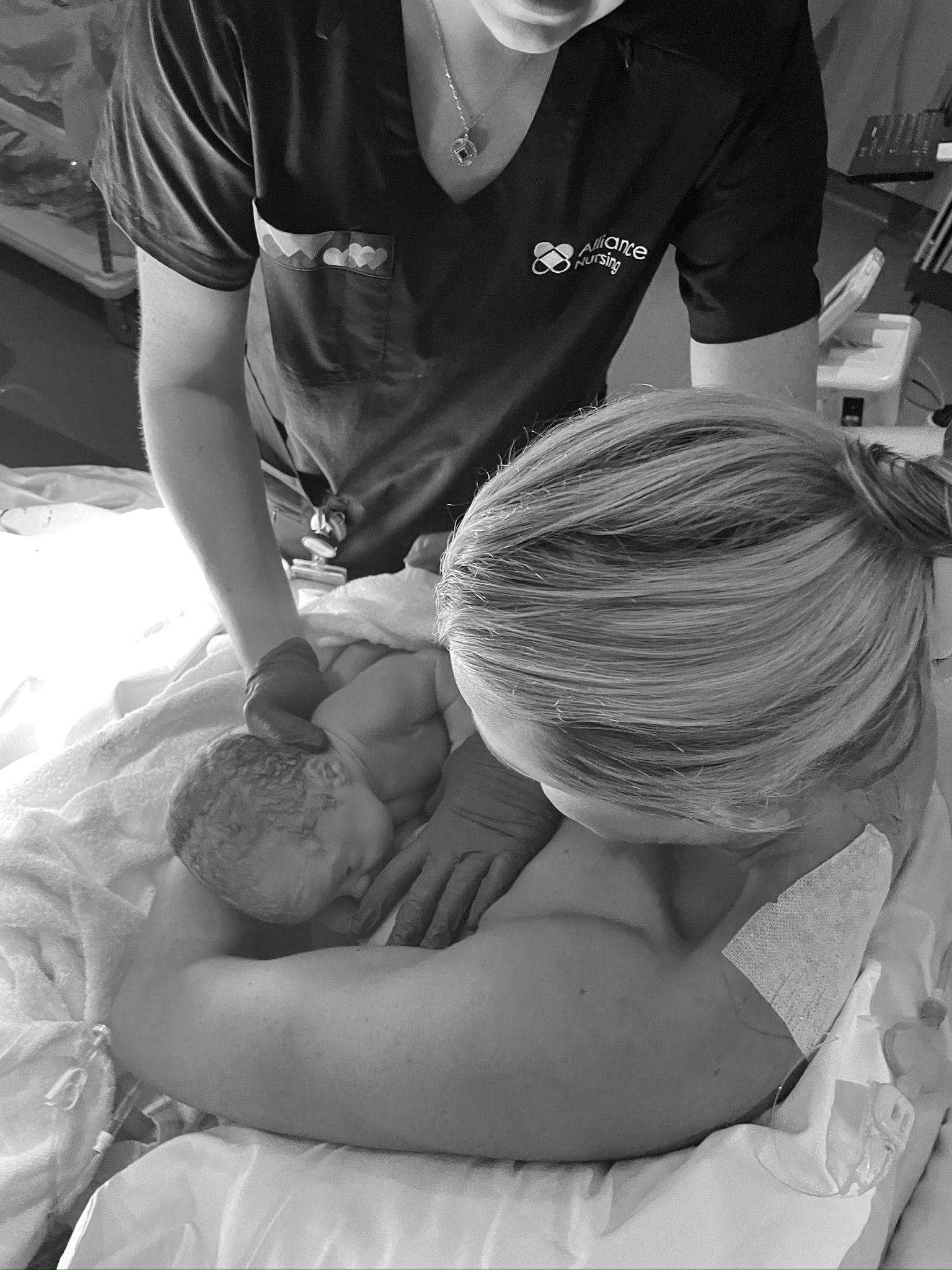
I tried for three weeks. Three weeks of cracked nipples, a baby who couldn't latch, a lactation consultant who came twice and left me more confused, and a level of guilt so disproportionate to the actual situation that I can only see it clearly now, two years later.
I stopped. I moved to formula. My daughter thrived. I cried about it for longer than I'd like to admit.
This article isn't about whether you should breastfeed. It's about the gap between what we're told breastfeeding will be and what it actually is - and why so many women feel like they failed at something that was never straightforwardly in their control.
The gap between natural and instinctive
Breastfeeding is natural. It is not, for most women, instinctive. There is a significant difference. Natural means the body is built for it. Instinctive would mean it happens automatically, without learning, without pain, without a steep and sometimes brutal curve. It doesn't - not for most people. Both you and your baby are learning a physical skill from scratch, at the same time, while you are sleep deprived and hormonally wrecked and she has never eaten before in her life.
The first two weeks are often the hardest. Nipples that have never been used in this way need to adjust. Milk supply takes days to establish. Babies need to learn to latch deeply enough to feed efficiently. None of this is a reflection of your body failing. It's just the learning curve nobody adequately describes.
What actually makes it harder
- Tongue tie - often missed at the initial check, causes shallow latch and significant nipple damage
- Inverted or flat nipples - make it harder for a baby to get a deep latch without support
- Low supply - real, though less common than feared, and often confused with normal newborn feeding patterns
- Oversupply and fast letdown - the other end of the spectrum, which causes its own problems
- Previous breast surgery - can affect supply and sensation
- A baby who is jaundiced, premature, or has low muscle tone - all affect feeding ability
The guilt is disproportionate to the stakes
Fed babies thrive. The research on breastfeeding benefits is real but frequently overstated in the way it's communicated to new mothers - presented as though formula is harm rather than simply an alternative. The benefits are modest for most outcomes in high-income countries with clean water and good formula. The mental health cost of struggling through something that isn't working - for both of you - is real and rarely factored in.
You are not giving your baby a lesser start. You are feeding them.
If you want to keep trying
Get a different lactation consultant if the first one didn't help. Ask your hospital about a breastfeeding clinic. Get your baby checked for tongue tie by someone who specialises in it - not just a quick look at the 24-hour check. Call the Australian Breastfeeding Association helpline (1800 686 268) - they're available around the clock and genuinely helpful.
Support, information, and time fix many breastfeeding problems. You don't have to give up if you don't want to. But you also don't have to keep going if it isn't working.
If you've already stopped
You made a decision under enormous pressure with the information and capacity you had at the time. That is the definition of good parenting. Your baby needed feeding. You fed them. That's the whole story.