
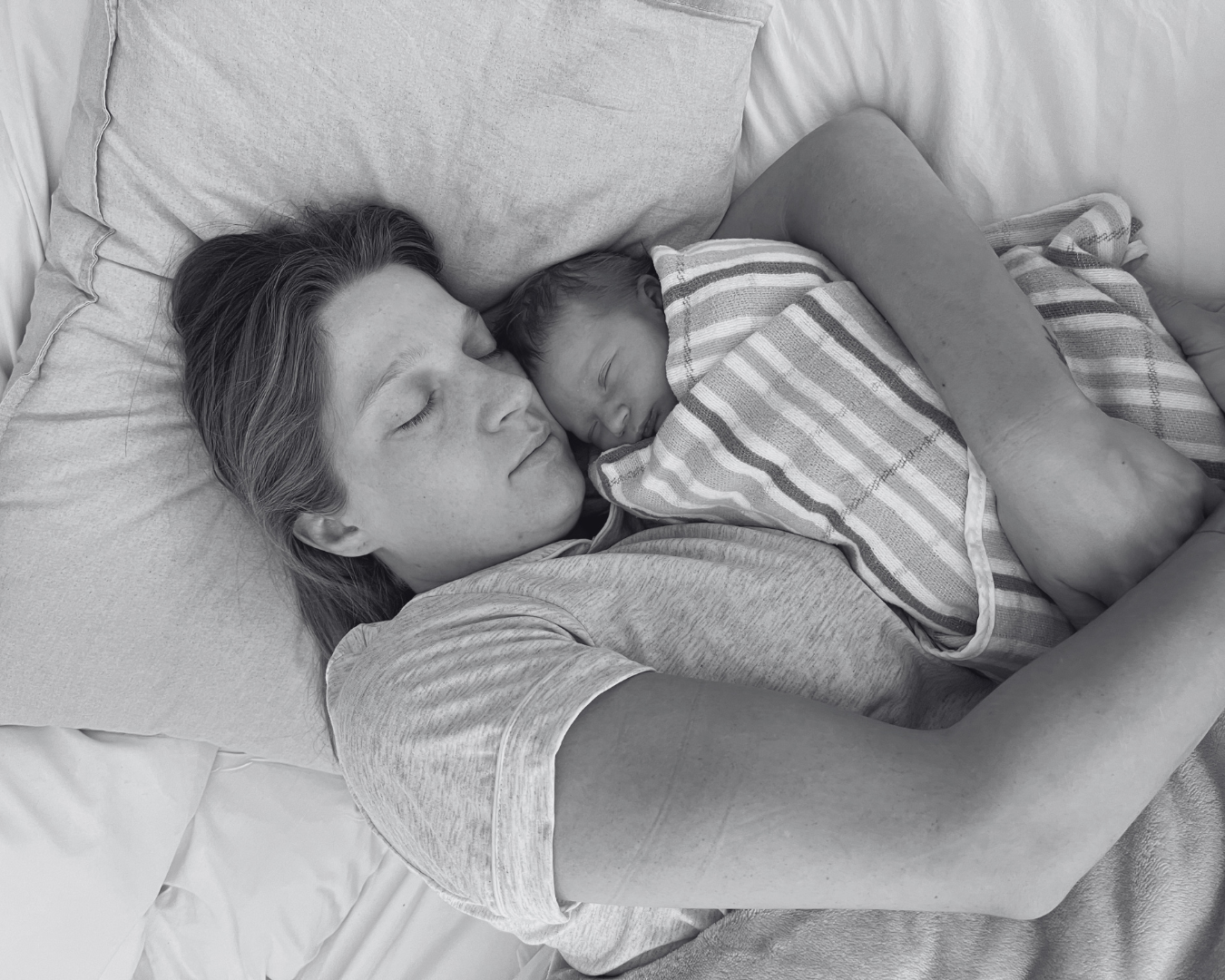
'Sleeping through the night' is one of the most searched, most misunderstood phrases in early parenting - partly because it means something different at every age, and partly because the marketing version (12 hours, no waking) sets an expectation that isn't realistic for most babies for a long time.
Here's a more honest look at how to actually get a baby to sleep through the night, and what's realistic to expect along the way.
What 'sleeping through the night' actually means, clinically
In infant sleep research, 'sleeping through the night' is often defined as a stretch of 5-6 consecutive hours - not a full 11-12 hour night. Many babies reach this shorter definition well before they reach a true all-night stretch, which is why the phrase can be misleading when used loosely.
A true, consistent full night without any waking often doesn't happen reliably until well into the second year for many children, and plenty of perfectly normal toddlers still wake occasionally beyond that.
What actually supports longer stretches
- A consistent bedtime routine that signals sleep is coming - the same few steps, in the same order, most nights
- Full feeds during the day and evening, so hunger is genuinely met before the longest sleep stretch begins
- A dark, cool, quiet sleep environment with white noise if helpful, supporting smoother transitions between sleep cycles
- Age-appropriate awake windows, since both overtired and undertired babies wake more, not less
- Some space to practise resettling independently once a baby is developmentally ready, rather than immediate intervention at every stir
What doesn't reliably speed it up
- Starting solids early - research doesn't support that solid food improves overnight sleep before a baby is developmentally ready for it
- A 'better' formula or dream feed alone, without addressing routine and environment factors
- Keeping a baby awake longer than their tolerance in the hope they'll 'sleep better from exhaustion' - this usually backfires into more, not less, night waking
When night waking is worth a closer look
Frequent waking alongside poor weight gain, snoring or laboured breathing, or a sudden dramatic change from an established pattern is worth raising with a GP or MCH nurse, since these can point to something specific worth checking, separate from typical developmental night waking.
The expectation worth resetting
If your baby is having a 5-6 hour stretch, that already meets the clinical bar for 'sleeping through the night' - even if it doesn't feel like it at 2am when the stretch ends and a feed is still needed after.
Longer, more consistent nights tend to build gradually with routine, environment, and age - not overnight, and rarely on the timeline the ads suggest.