
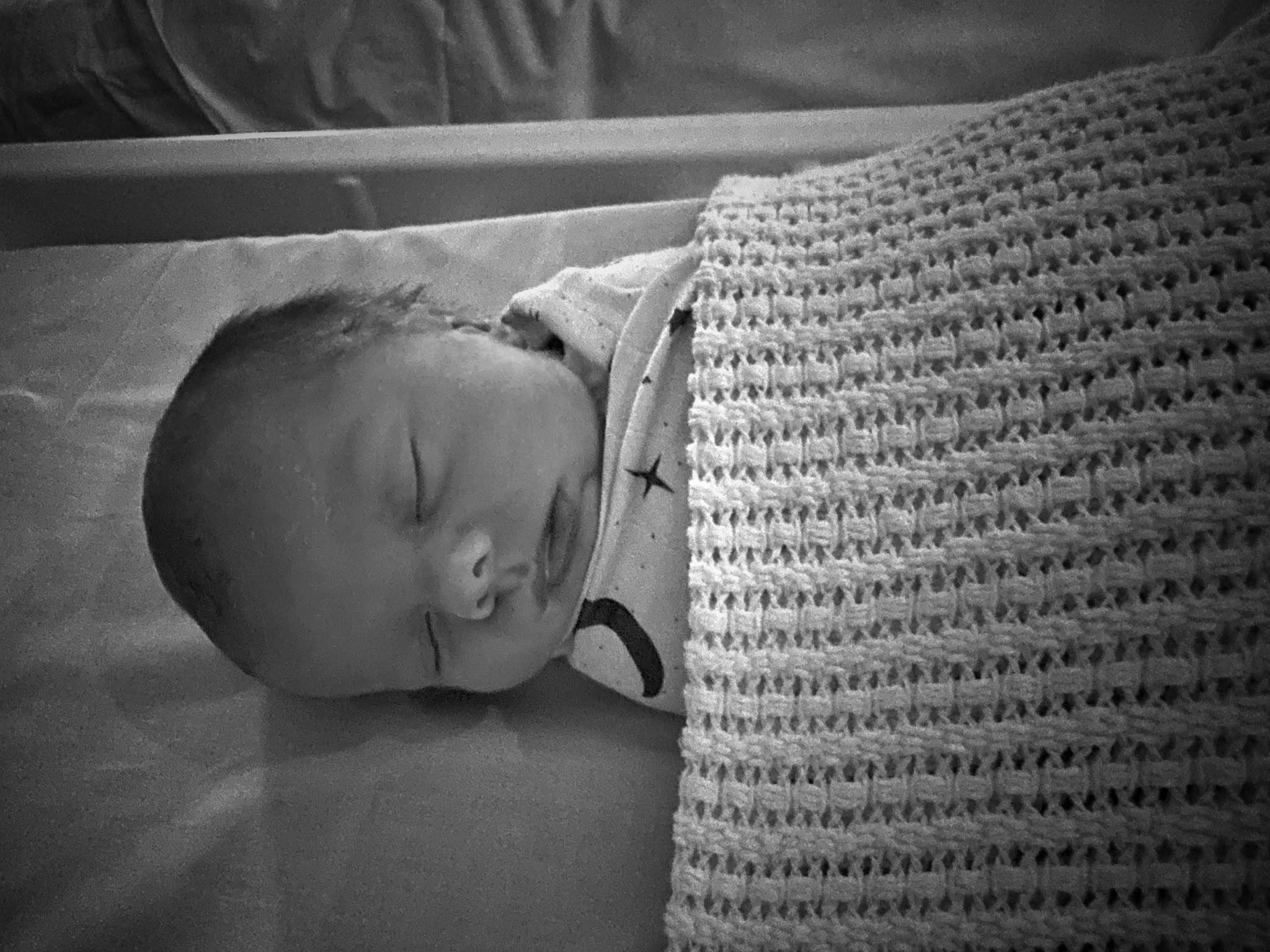
A good swaddle can be the difference between a baby who startles themselves awake every twenty minutes and one who sleeps a solid stretch. A bad one can be a genuine safety risk. The gap between the two often comes down to a few specific details most people are never taught properly.
Here's how to swaddle a baby safely, step by step, along with the guidelines that actually matter.
Why swaddling helps
Swaddling recreates the snug containment of the womb and contains the Moro (startle) reflex, which otherwise regularly wakes young babies from sleep. Done correctly, it can meaningfully improve both settling and sleep duration in the first few months.
The safe swaddle, step by step
- Lay a lightweight, breathable swaddle blanket in a diamond shape, with the top corner folded down
- Place baby on their back, shoulders just below the folded edge
- Bring one arm down by their side (not across the chest) and wrap that side's fabric snugly across the body and tucked underneath
- Repeat with the other arm on the opposite side
- Fold the bottom point up and tuck it in, leaving room at the hips for legs to bend up and out - never straight and tightly bound
- Check that you can fit two to three fingers between the swaddle and baby's chest - snug, not restrictive
The non-negotiable safety rules
- Always place a swaddled baby on their back to sleep, every single time
- Hip room matters - a swaddle that forces straight, tightly bound legs increases the risk of hip dysplasia; look for 'hip-healthy' certified swaddle products if using a wearable version
- Stop swaddling the arms as soon as there are any signs of rolling, generally around 8-12 weeks but varies by baby - a baby who can roll but is swaddled arms-in is at risk of rolling onto their front and being unable to push up
- Never add loose blankets on top of a swaddle, and keep the room at a safe, moderate temperature to avoid overheating
- Check the swaddle isn't loosening and covering the face during sleep
Signs it's time to transition out
The moment a baby shows any rolling attempt, even one-directional, it's time to stop arm swaddling and move to an arms-out option or a sleep bag, regardless of age. This is the single most important safety cut-off in the whole swaddling process.
The short version
A safe swaddle is snug around the chest, loose around the hips, always paired with back sleeping, and retired the moment rolling begins. Get those details right and it's one of the more genuinely useful early sleep tools available.
If in doubt about technique, ask your midwife or MCH nurse to check your swaddle in person once - it's a five-minute conversation that's worth having.