
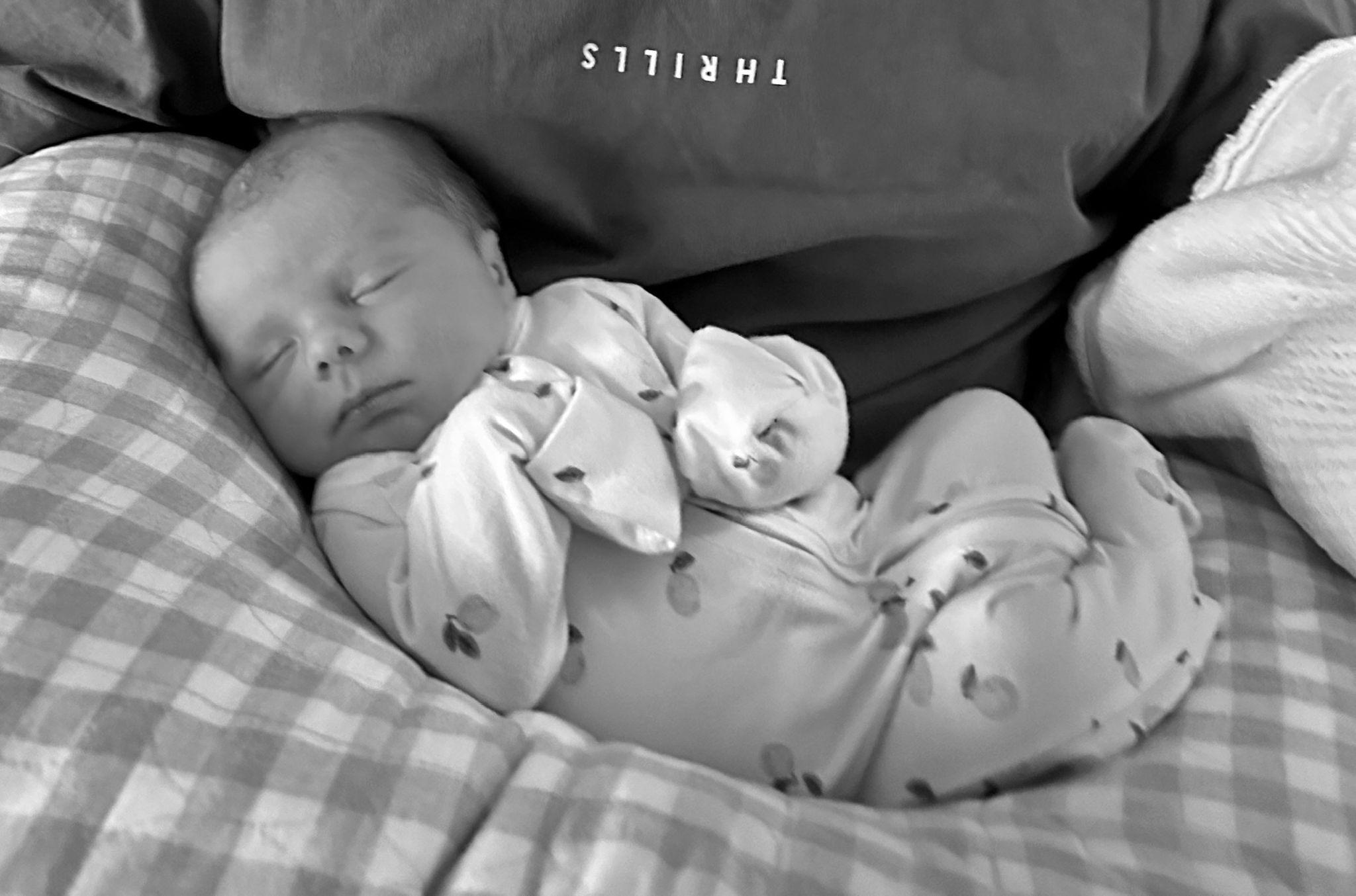
Safe sleep guidelines exist because sleep-related deaths in infants are real, preventable in many cases, and clustered around specific risk factors. This is not an article designed to frighten you. It's designed to give you the information clearly, once, so you don't have to hold it anxiously in your head.
The core principles
- Back to sleep, every time. Place your baby on their back for every sleep - naps and nights - until they can roll both ways independently.
- A firm, flat surface. A firm, flat mattress in a cot, bassinet, or portable crib that meets current Australian safety standards. Not a bouncer, not a swing, not a car seat (outside of car travel).
- Their own sleep space. The safest sleep is in their own sleep space in your room for at least the first six to twelve months. Room sharing without bed sharing reduces the risk of SIDS.
- Nothing in the cot. No pillows, no loose blankets, no bumpers, no soft toys, no sleep positioners. A fitted sheet and a safe swaddle or sleep sack are all that's needed.
- Temperature. The room should be 16–20 degrees. Check them at the back of the neck - warm but not sweaty is right. No beanies indoors for sleep.
On swaddling
Swaddling is safe when done correctly - snug around the arms, loose around the hips to allow for hip development, always on the back. Stop swaddling when your baby shows signs of rolling, because a swaddled baby who rolls onto their tummy cannot push themselves up.
On bed sharing
The official guidance in Australia is to avoid bed sharing, particularly for babies under three months, premature babies, and babies of low birth weight. The risk increases significantly if either parent smokes, has consumed alcohol or sedating medication, or is extremely fatigued.
The reality is that many families bed share. If you are going to bed share, the Infant Sleep Information Source (ISIS) has harm-reduction guidance that acknowledges the reality of how families sleep while providing information to reduce risk.
The things that are actually protective
- Breastfeeding, even partially, is associated with a reduced SIDS risk
- A dummy/pacifier at sleep time is associated with reduced risk (you don't need to force it, and it's fine if they spit it out)
- Room sharing without bed sharing
- Keeping your baby smoke-free - during pregnancy and after
A note on anxiety
For some parents, safe sleep information triggers significant anxiety - checking, rechecking, difficulty sleeping themselves because they're monitoring. If this is you, it's worth naming.
Knowing the guidelines is protective. Memorising them and running through them every fifteen minutes is not more protective - and it costs you something you can't afford to lose.